Dog road-trip packing list: car gear worth bringing
A practical dog road-trip packing list for the car gear that actually helps: seat protection, restraint, water, cleanup, loading, and comfort.
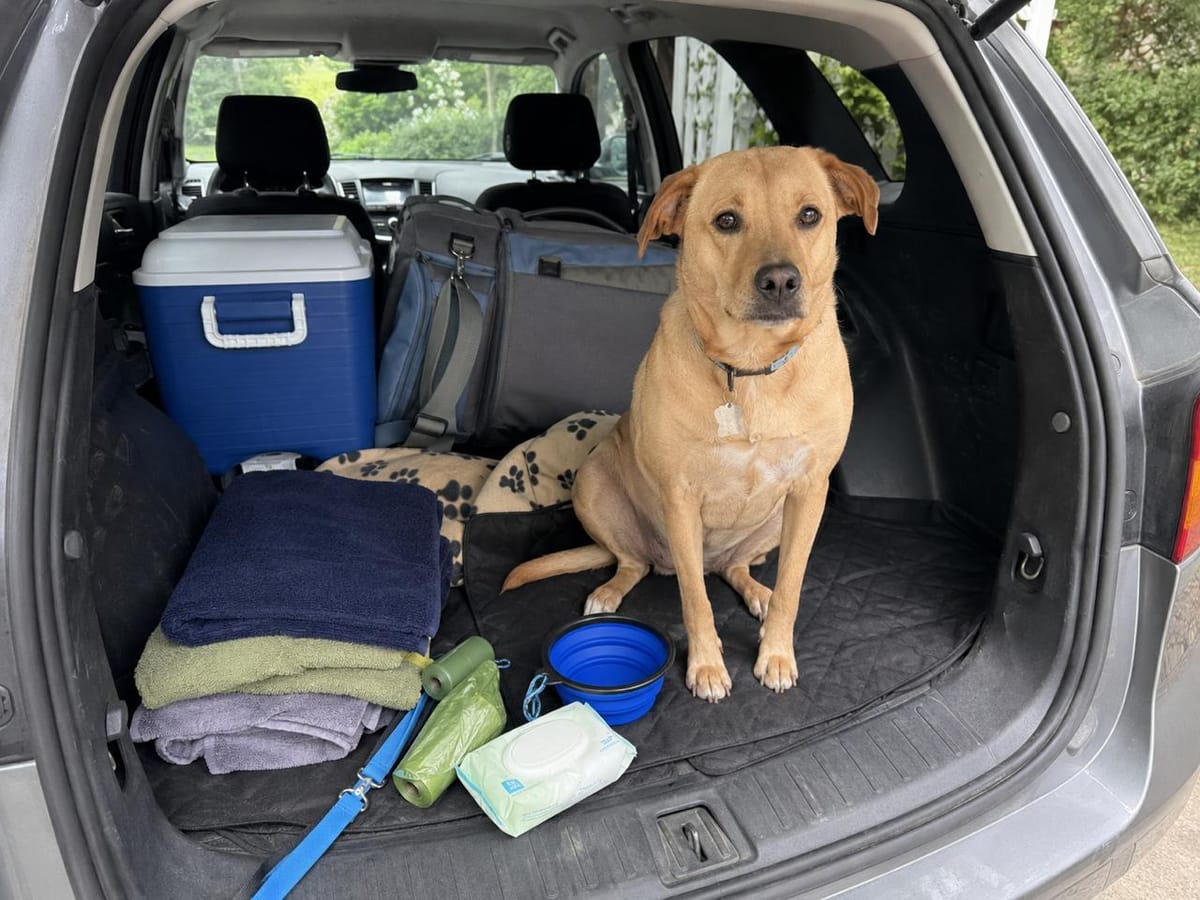
TrustyPetSupplies may earn a commission when you buy through links on this page. We only recommend gear that fits the trip you are planning, and we call out what is overkill or a bad fit.
Packing for a dog road trip gets messy when every checklist treats a one-hour drive like a cross-country move.
You do not need every travel gadget in the pet aisle. You need the gear that solves the problems your car will actually create: restraint, mud, hair, water, food, cleanup, loading, and comfort. A calm dog on a short drive needs a small kit. A wet trail dog in the back seat needs a better one. A senior dog who hates jumping into an SUV needs a different one again.
Use this dog road-trip packing list as a practical car-gear check, not a shopping dare.
Quick checklist
Start with the core kit:
- Seat cover, hammock, or cargo liner that fits your vehicle.
- Properly fitted harness, crate, carrier, or other restraint setup used according to the manufacturer's instructions.
- Travel water bottle or bowl.
- Pre-portioned food and treats if the drive crosses a meal time.
- Towels, pet-safe wipes, waste bags, and a small trash bag.
- Blanket, bed, or mat your dog already likes.
- Ramp or step if your dog needs help getting in and out.
- Collar with ID tag, leash, medications, and trip paperwork if needed.
That list is enough for most trips. The hard part is choosing the right version for your dog and car instead of buying three products that fight each other.
First, decide where the dog rides
Most car-gear mistakes start here.
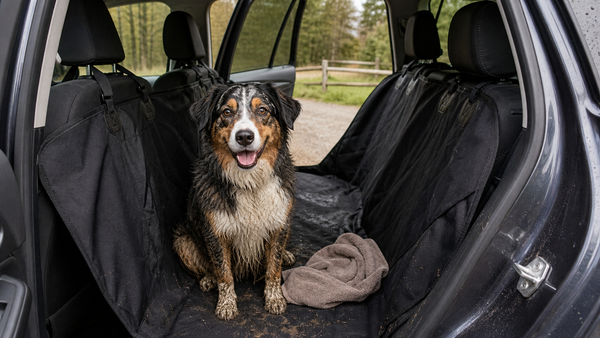
A dog who rides across the full back seat needs different gear from a dog who rides in the cargo area. A dog who shares the back seat with a kid or another adult may need a half hammock or a narrow bench cover. A dog who drools, swims, rolls in mud, or sheds heavily needs easy-clean protection before you worry about cute travel accessories.
Pick the riding zone first:
- Back seat.
- Half of the back seat.
- Cargo area.
- Crate or carrier.
- Back seat plus footwell extender.
Once you know that, the packing list gets shorter. A cargo liner will not help a dog who rides buckled into the back seat. A hammock can be annoying in an SUV if you need fold-down access. A hard-bottom seat extender may be useful for a nervous dog, but it can be overkill for a quick errand runner.
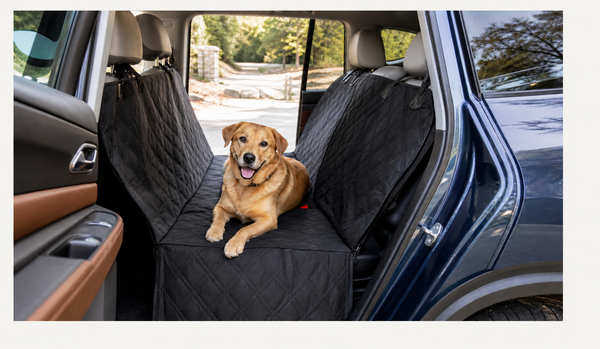
Seat cover, hammock, or cargo liner
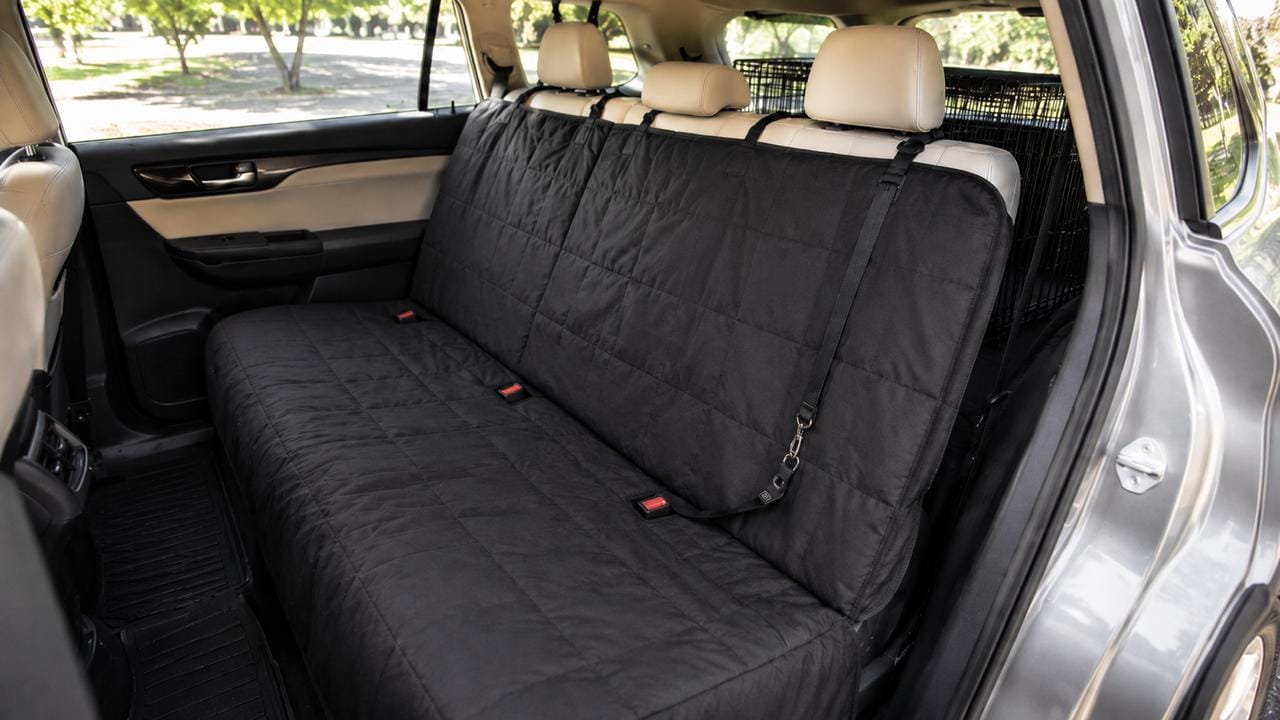
This is usually the first piece of gear worth buying because it protects the car and makes cleanup easier.
For back-seat dogs, look for:
- Published width and length.
- Seat belt openings or zipper access.
- A non-slip backing or seat anchors.
- Door flaps if your dog scratches doors or jumps in muddy.
- Cleaning instructions that match your life.
For SUVs with split rear seats, do not buy the first "universal" cover you see. Check whether the cover lets you use the seat belts, armrest, and fold-down seat sections you actually need. The fit details matter more than the product photos.
If your dog rides in the cargo area, use a cargo liner instead of forcing a back-seat hammock into the wrong job. A cargo liner should have enough width, enough length, and a bumper flap if your dog drags paws over the painted edge while loading.
Useful next reads:
- Best dog car seat covers for SUVs with split rear seats
- Best car hammocks for muddy dogs and easy cleanup
Restraint and containment
Seat covers manage mess. They are not safety devices.
For restraint or containment, use a properly fitted harness, crate, carrier, or other product made for vehicle use. Follow the manufacturer's setup instructions, sizing chart, and attachment method. If a product claims crash testing, look for the actual test details before trusting the claim.
Good questions:
- Does the harness fit your dog's chest and neck correctly?
- Does the crate fit in the car without blocking visibility or sliding around?
- Does the tether attach to the point the maker intended?
- Can the dog sit, lie down, and settle without getting tangled?
- Does the setup keep the driver from being distracted?
Avoid clipping a car tether to a collar. Avoid treating a thin elastic strap as serious crash protection. And avoid building a setup that looks tidy but gives the dog enough slack to tumble into the footwell.
For a short trip, the goal is simple control and less distraction. For a long trip, the setup also needs to be comfortable enough that your dog will actually tolerate it.
Water and food
Water gear sounds boring until you try to pour from a gas-station bottle into your palm while your dog is panting at a rest stop.
Bring one of these:
- Collapsible bowl.
- Sturdy travel bowl, such as the PupFlask portable travel bowl.
- Dog water bottle with a built-in cup, such as the MalsiPree 12-ounce dog water bottle.
- Spill-resistant bowl for the floor of the car, if your dog can use it without making a bigger mess.
For food, pre-portion the amount you need. A sealed container is cleaner than a loose bag, and it keeps food smells from taking over the car. If you are bringing wet food, pack it like something that can leak, because eventually it will.
Treats are useful for breaks, loading, and settling. They are not a substitute for a real meal plan on a long drive.
Cleanup kit
This is the part people remember only after the dog has already found mud.
Pack a small cleanup kit and leave it in the car:
- Microfiber towels.
- Pet-safe wipes, such as Best Pet Supplies unscented grooming wipes.
- Lint roller.
- Waste bags.
- Paper towels or shop towels.
- Small trash bags.
- Extra leash or clip.
- Zipper pouch or bin to keep it all together.
For muddy dogs, cleanup gear matters as much as the hammock. A washable cover is helpful, but you still need something for paws, door panels, collars, leashes, and the cargo lip.
For shedding dogs, add a lint roller and a dedicated car towel. For wet dogs, add one absorbent towel and one backup towel, because the first one gets nasty fast.
Comfort gear
Comfort gear is not about spoiling the dog. It is about reducing chaos in a small space.
Bring:
- A familiar blanket.
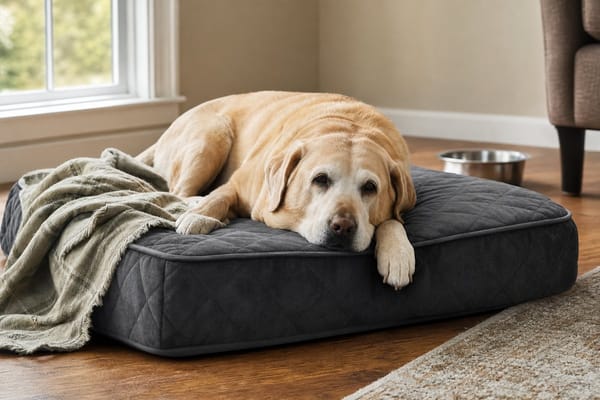
- A flat bed or mat that fits the riding zone.
- One durable toy if your dog settles with it.
- A shade plan for sunny stops.
Do not pack half the living room. If your dog ignores three toys at home, they will not become essential travel tools because you put them in a tote bag.
For nervous dogs, familiar scent matters more than novelty. A blanket your dog already uses is often better than a brand-new travel bed with tags still on it.
Loading help for small, senior, or injured dogs
If your dog struggles to jump into the car, add a ramp or step to the packing list.
Look for:
- A real weight rating.
- Folded size that fits your vehicle.
- A walking surface with grip.
- Rubber feet or a stable base.
- Cleaning instructions.
The ramp also has to fit the car and the place you stop. A giant ramp that works in the driveway may be annoying in a tight hotel parking lot. A tiny step may be useless for a tall cargo area.
Skip anything that flexes badly or slides on pavement. If your dog already hesitates, a wobbly ramp makes the problem worse.
Documents, tags, and basics
The boring items belong on the list because they are easy to forget:
- Collar with current ID tag.
- Leash and backup leash.
- Poop bags.
- Medication your dog already takes.
- Vaccination or travel paperwork if your destination needs it.
- Recent photo of your dog on your phone.
- Vet contact info.
- Phone charger.
For day trips, most of this is already in your normal walking setup. For multi-day travel, check it before you leave instead of assuming the leash bag is still stocked.
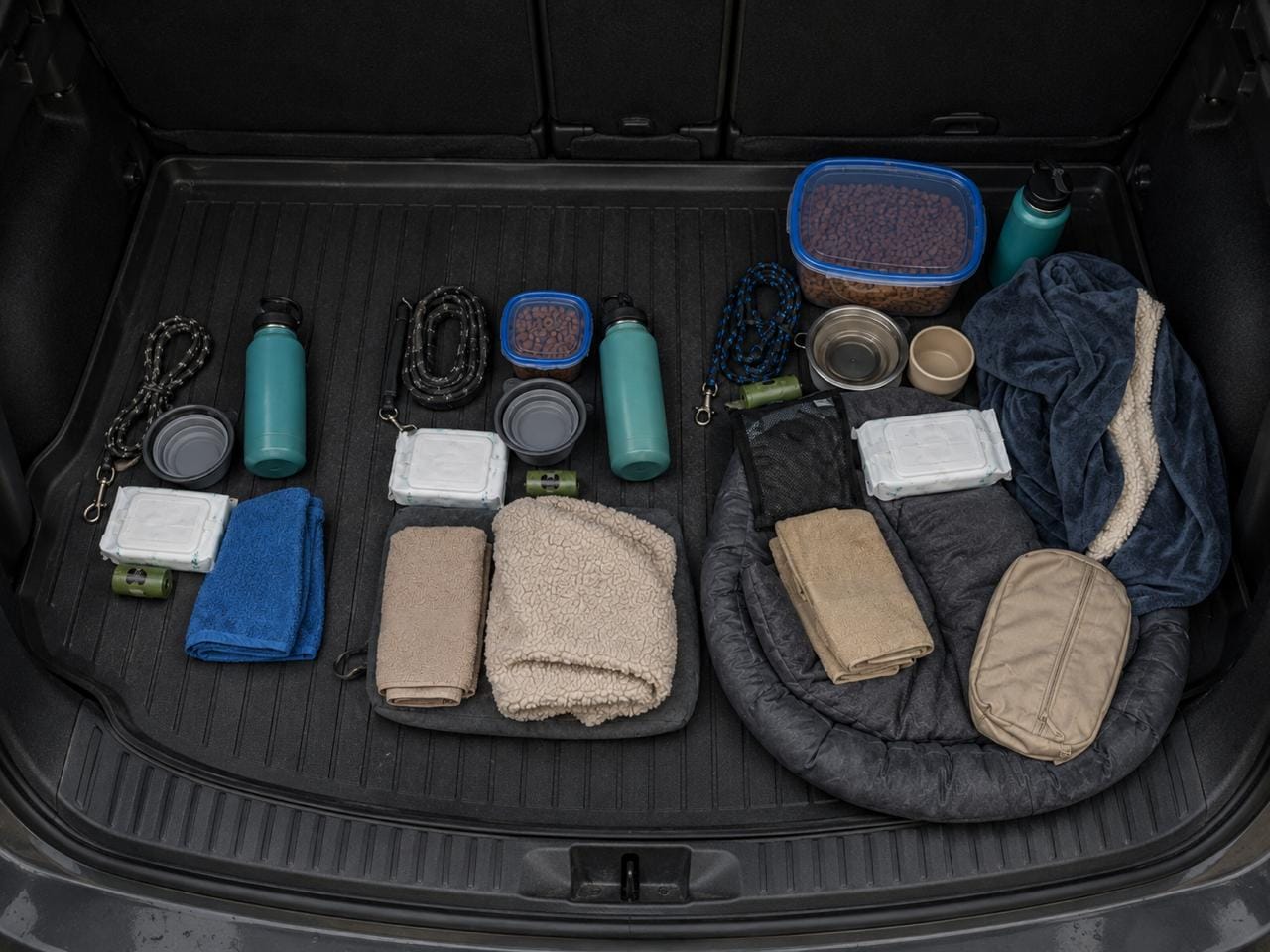
One-hour drive packing list
For errands, vet visits, daycare pickup, or a quick visit across town, keep it small.
Bring:
- Leash.
- Water bottle or bowl.
- Wipes.
- Towel.
- Waste bags.
- Seat cover if the dog is wet, muddy, or sheds heavily.
Skip the giant food container, full bed setup, and extra toys unless your dog actually needs them.
Weekend trip packing list
A weekend trip needs enough gear to handle the car becoming part of the routine.
Bring:
- Seat cover, hammock, or cargo liner.
- Restraint or crate setup.
- Water bowl.
- Food container.
- Treats.
- Two towels.
- Wipes and waste bags.
- Blanket or bed.
- Cleanup bin.
- Meds and documents if needed.
This is the sweet spot for most dog-travel gear. You need enough structure to avoid chaos, but not a packed cargo area full of stuff you will never touch.
Multi-day road-trip packing list
For a longer drive, think in systems:
- Riding setup: cover, liner, crate, carrier, harness, or divider.
- Water setup: bottle, bowl, backup water.
- Food setup: sealed food, treats, feeding dish.
- Cleanup setup: towels, wipes, bags, laundry plan.
- Comfort setup: bed, blanket, shade.
- Loading setup: ramp or step if needed.
- Admin setup: ID, leash, meds, paperwork, vet info.
The longer the trip, the more the car becomes a temporary dog room. That does not mean packing more random gear. It means making each part easier to repeat every day.
What to buy first
If you are starting from scratch, buy based on the dog, not the prettiest list.
| Dog or trip type | Buy first | Why |
|---|---|---|
| Muddy trail dog | Door-flap hammock plus towels | Mud spreads to doors before you notice |
| SUV split-seat rider | Fit-first seat cover | Seat belt and fold-down access matter |
| Cargo-area rider | Cargo liner | A back-seat hammock is the wrong shape |
| Senior or short dog | Ramp or stable step | Loading is the stressful part |
| Nervous traveler | Familiar blanket plus contained setup | Calm matters more than accessories |
| Long-haul dog | Restraint plus comfort gear | The setup has to work for hours |
For a wide SUV or truck back seat, the Kurgo Rover Hammock - Extended Width is one of the verified large-seat options in this cluster.
For cargo-area riders, the Kurgo Rover Cargo Cape is a cleaner fit than a bench hammock if the dog rides behind the rear seats.
For a budget back-seat hammock with door flaps, the iBuddy Waterproof Dog Back Seat Cover with Side Flaps is a marketplace option already covered in the muddy-dog guide.
What to skip
Skip gear that adds clutter without solving a real problem:
- Seat covers with no measurements.
- Any product that blocks the seat belt access you need.
- Ordinary covers marketed like crash protection.
- Ramps with no weight rating.
- Toys your dog does not use at home.
- Huge food bags for short trips.
- Travel bowls that are hard to clean.
- Anything that only works in one car if your dog rides in several vehicles.
The best packing list is boring on purpose. Every item should earn its place.
FAQs
Do dogs need a seat cover for road trips?
Not every dog needs one, but a seat cover or cargo liner is one of the first upgrades worth buying if your dog sheds, drools, gets muddy, swims, or rides often. Measure the seat before buying.
Is a dog car hammock safer than a seat cover?
A hammock can keep a dog from sliding into the footwell and can reduce mess, but it should not be treated as crash protection. Use a properly fitted restraint, crate, carrier, or vehicle setup according to the product instructions.
What should I pack for a short dog car ride?
For a short ride, bring a leash, water, bowl, towel, wipes, waste bags, and any restraint or cover your dog normally uses. Food and extra comfort gear usually are not needed unless the trip crosses a meal time.
What is the most forgotten dog road-trip item?
Cleanup gear. Towels, wipes, waste bags, and a small trash bag solve more real problems than most travel accessories.
Bottom line
A good dog road-trip packing list is not huge. It is specific.
Start with where your dog rides. Add protection for the car, a restraint or containment setup that fits your dog, enough water, a small cleanup kit, and comfort gear your dog already trusts. Then stop packing.
The right car gear makes the trip calmer. The wrong gear just fills the trunk.